 REQUEST A PROPOSAL
MENU
CONSTRUCTION 3D PRINTER · FACTORY2SITE
Construction 3D printer 2-in-1
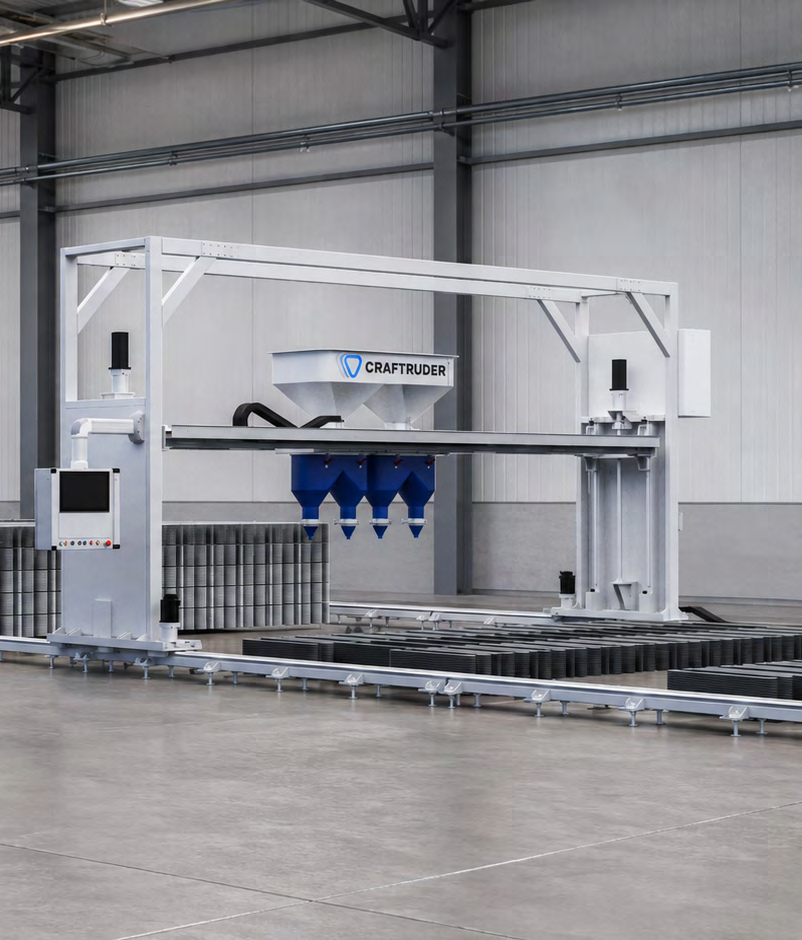
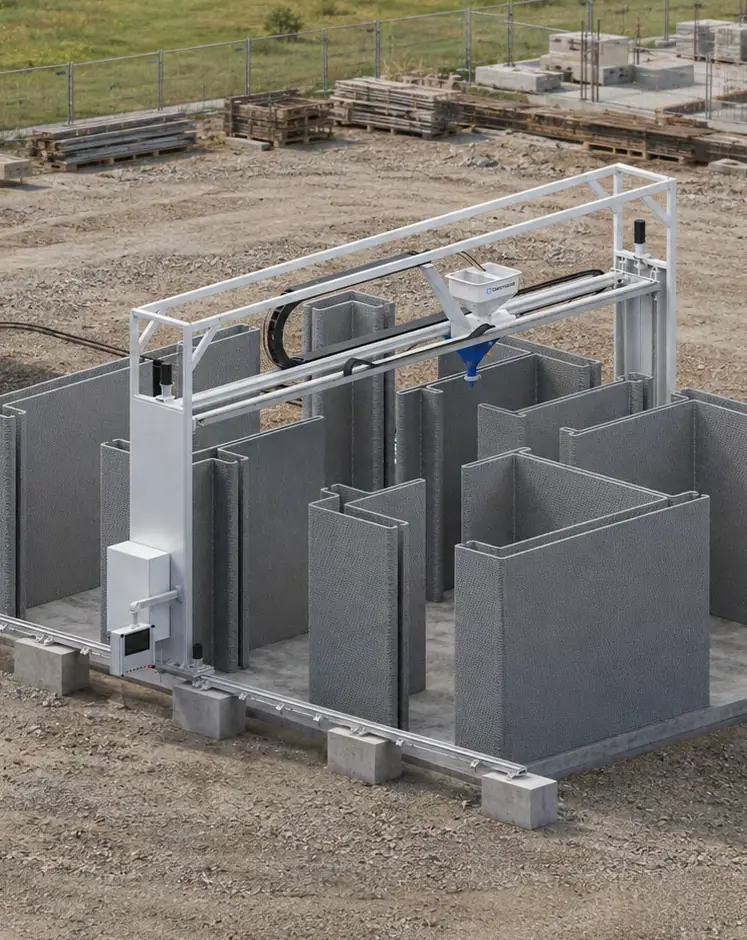
One construction 3D printing system for factory-made concrete components and on-site house wall printing. A modular platform designed for two production models and year-round operation.
01 / SYSTEM
Two scenarios. One machine.
Two business models let you adapt your product range to market demand and operate year-round.
INDOOR / PREFAB
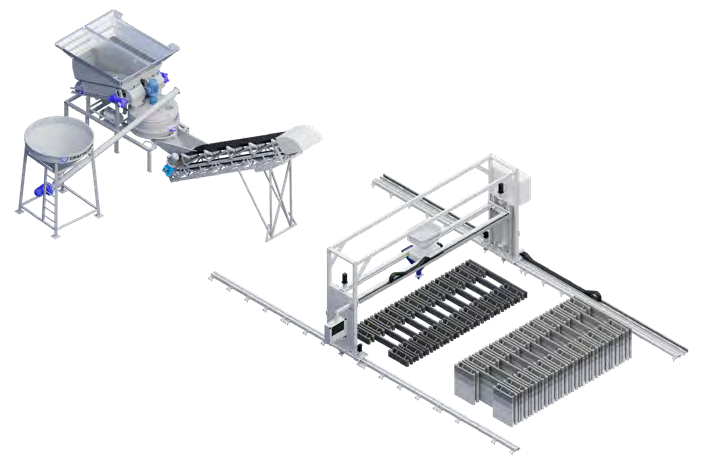
Factory production
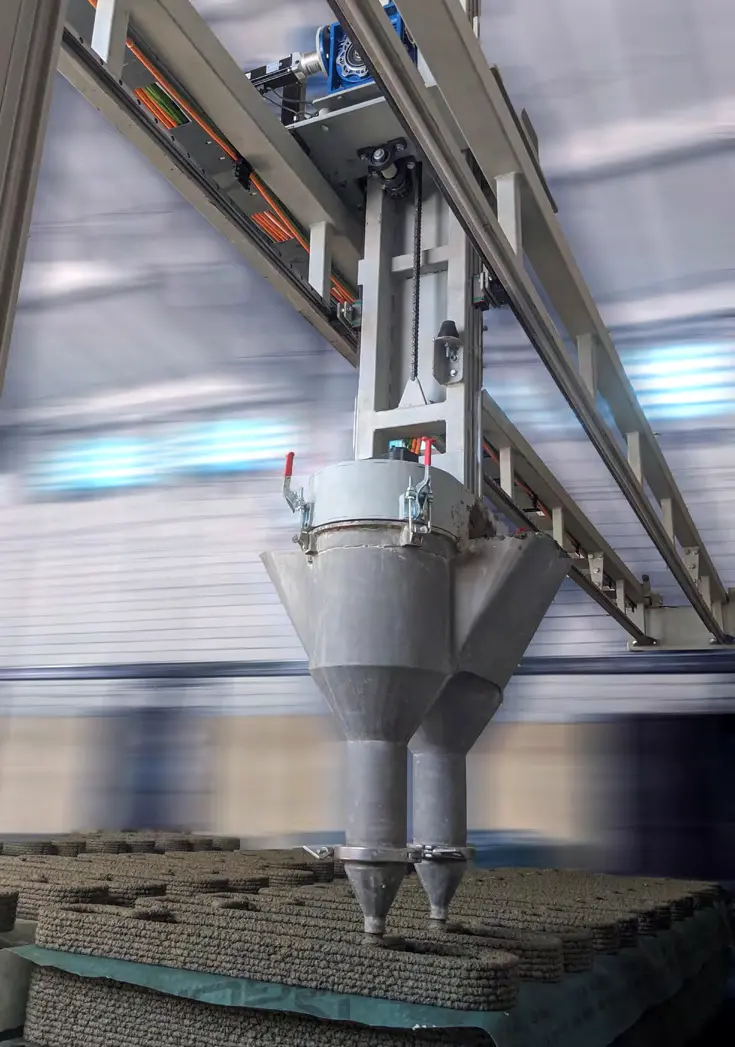
Multiple components are printed layer by layer on a prepared print bed. Dual-extrusion modules, conveyor feeding and underfloor heating create a consistent, repeatable production cycle.
Explore factory printing →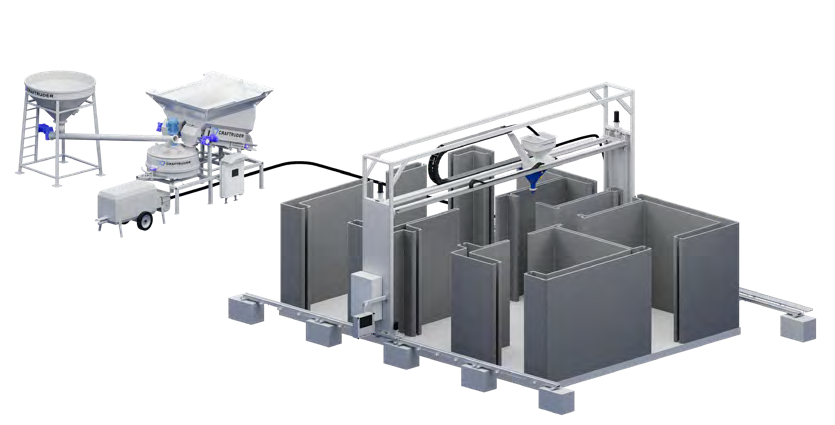
OUTDOOR / ON-SITE
Printing directly on the foundation
A single extruder, increased gantry height, a concrete pump and a concrete batching plant make it possible to print the shell of a single-storey building directly on site.
Explore on-site printing →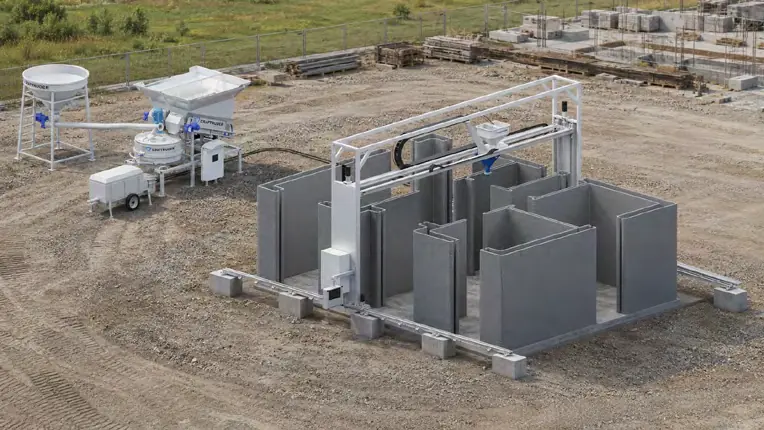
ON-SITE PRINTING
Maximum automation
- Decorative surface on both sides
- Flexible print-path programming
- Printing directly on the foundation
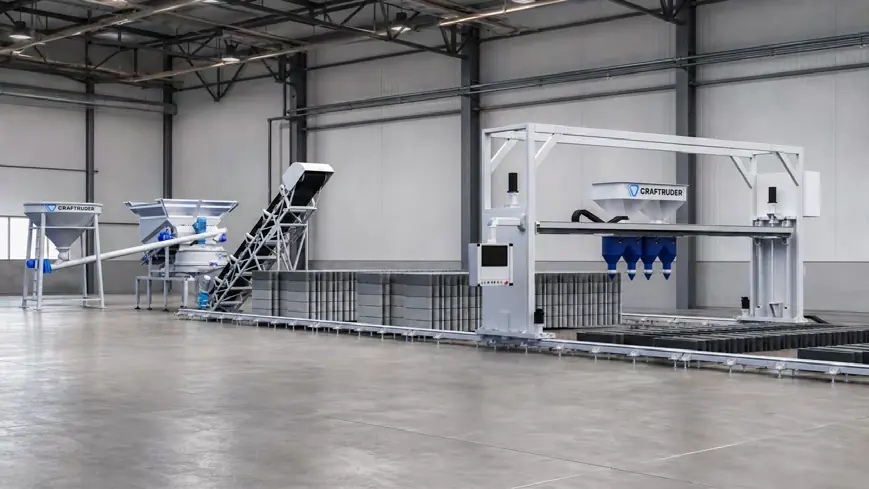
FACTORY PRINTING
24/7 production of prefabricated blocks
- Consistent raw materials
- Print quality control
- Controlled curing
02 / MODULAR PLATFORM
Interchangeable modules
Increase the number of print heads without modifying the base machine structure.
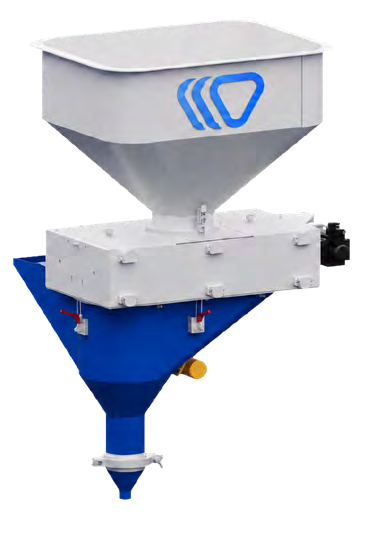 ×1
Custom shapes and on-site printing
×1
Custom shapes and on-site printing
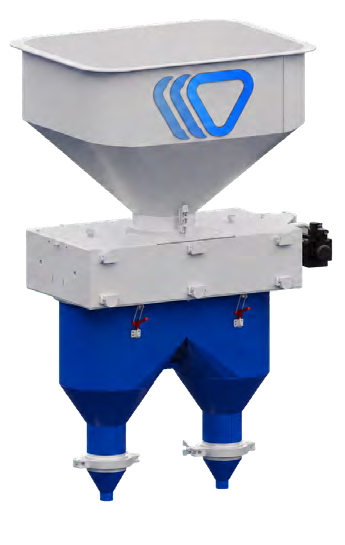 ×2
Base factory configuration
×2
Base factory configuration
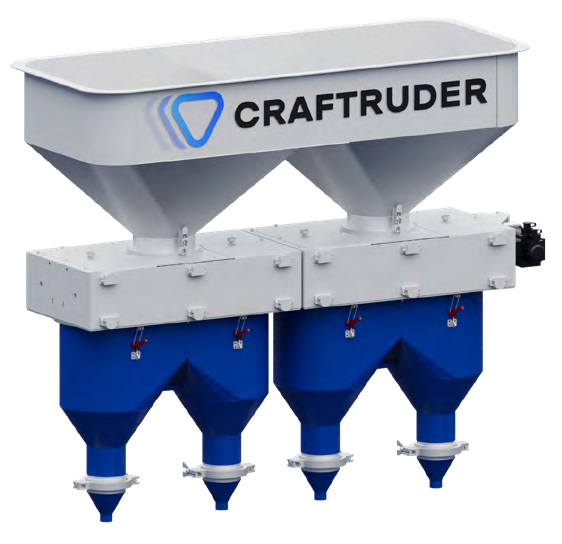 ×4
Maximum output configuration
×4
Maximum output configuration
BASE CONFIGURATION
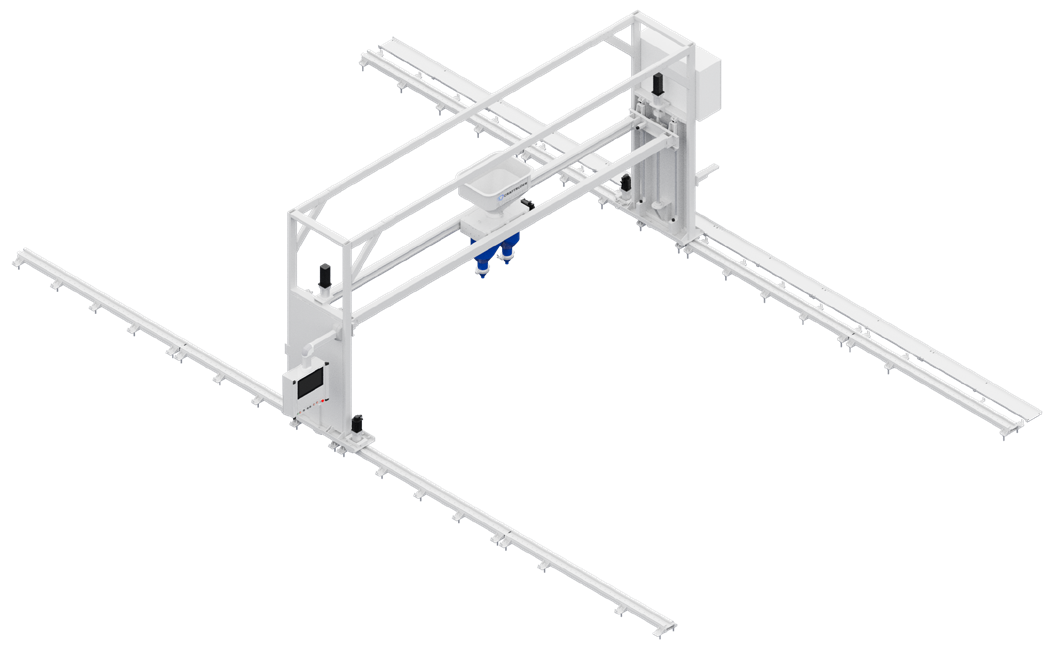
Everything you need to start production
12 mlongitudinal travel
5 mtransverse printing width
1.2 mvertical travel
Full printer specifications →
03 / PRODUCTION LINE
Concrete delivery without costly consumables
In a fixed factory setup, the mix is transferred by conveyor. For outdoor use, the conveyor is replaced with a concrete pump.
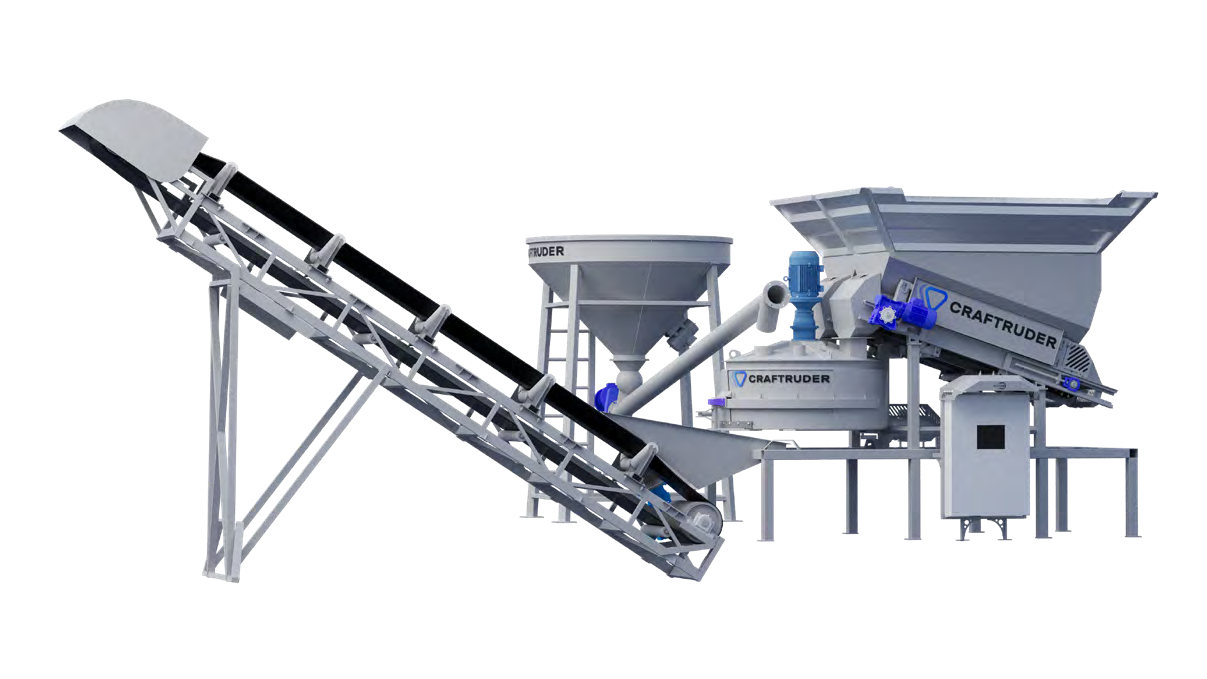
CBPbatching and mixing
→
CONVEYORsmooth belt + brushes
→
EXTRUDER200 L
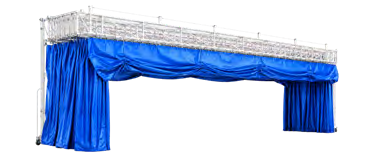
Steam-curing chamber
A sealed retractable chamber for controlled curing.
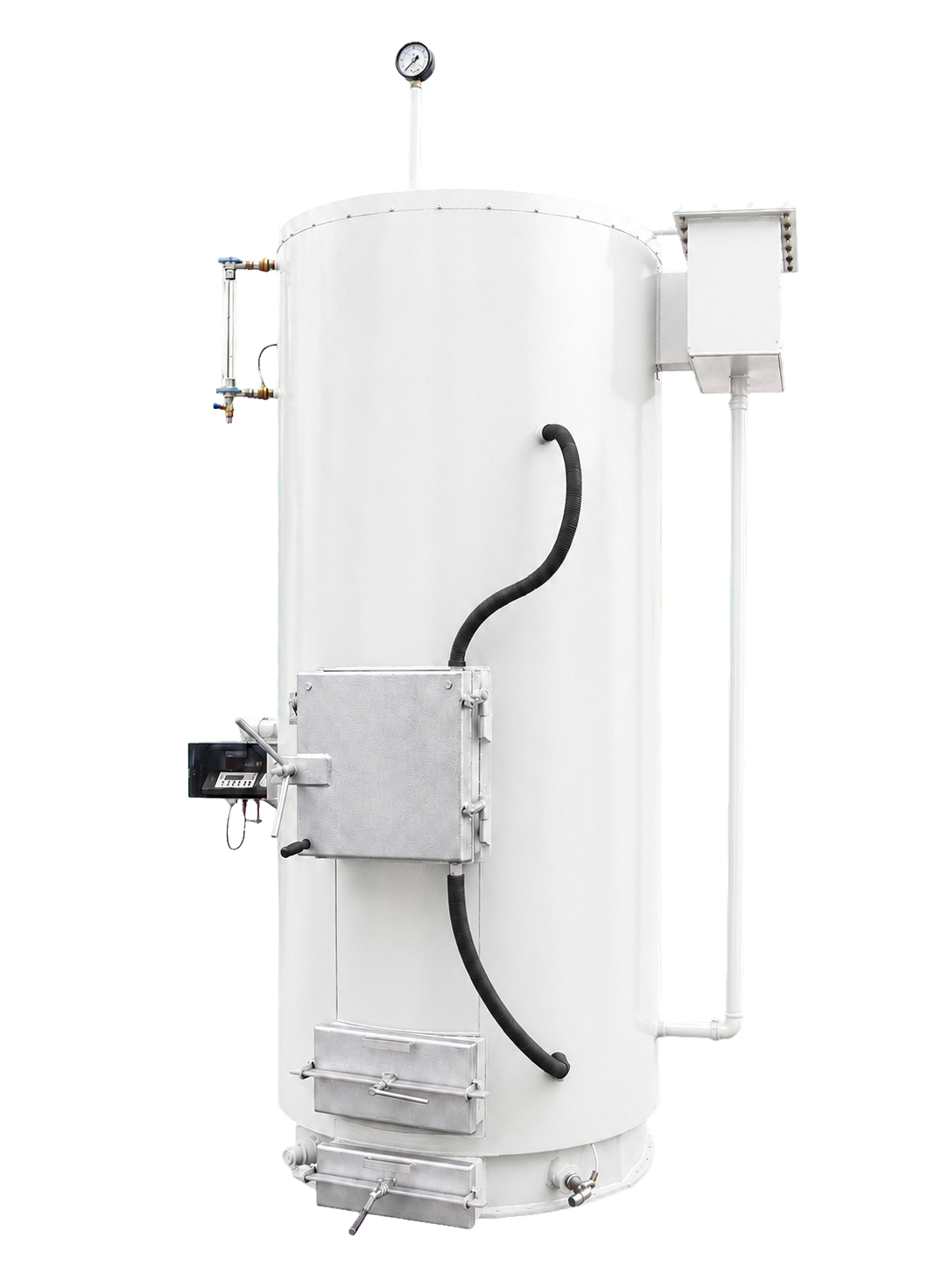
Steam generator
Steam curing and heating for aggregates, water and the print area.
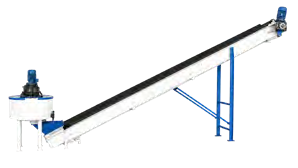
Mixer and conveyor
Planetary mixing and smooth-belt concrete feeding.
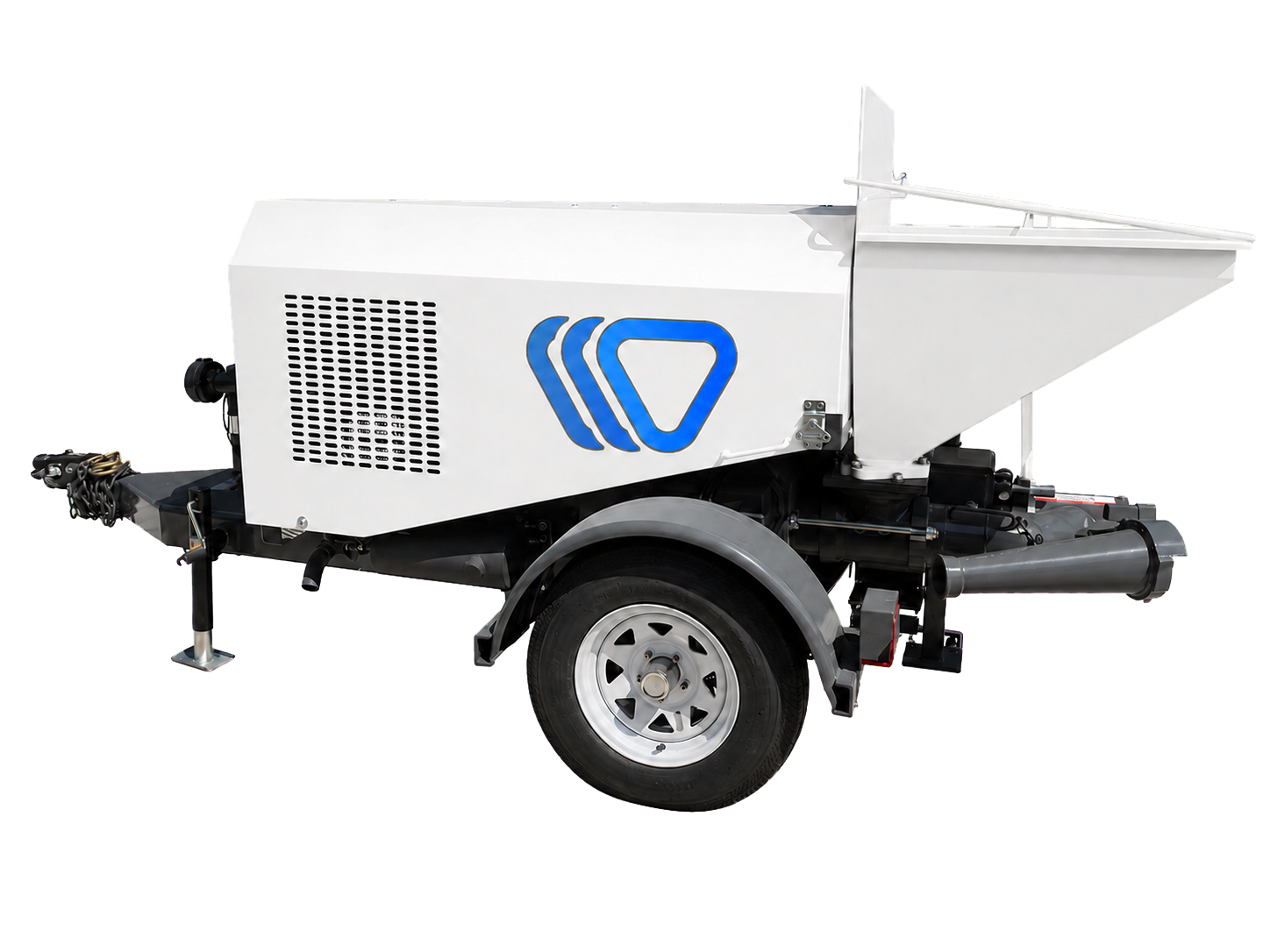
Concrete pump
Material delivery for on-site printing.
04 / PRODUCTIVITY
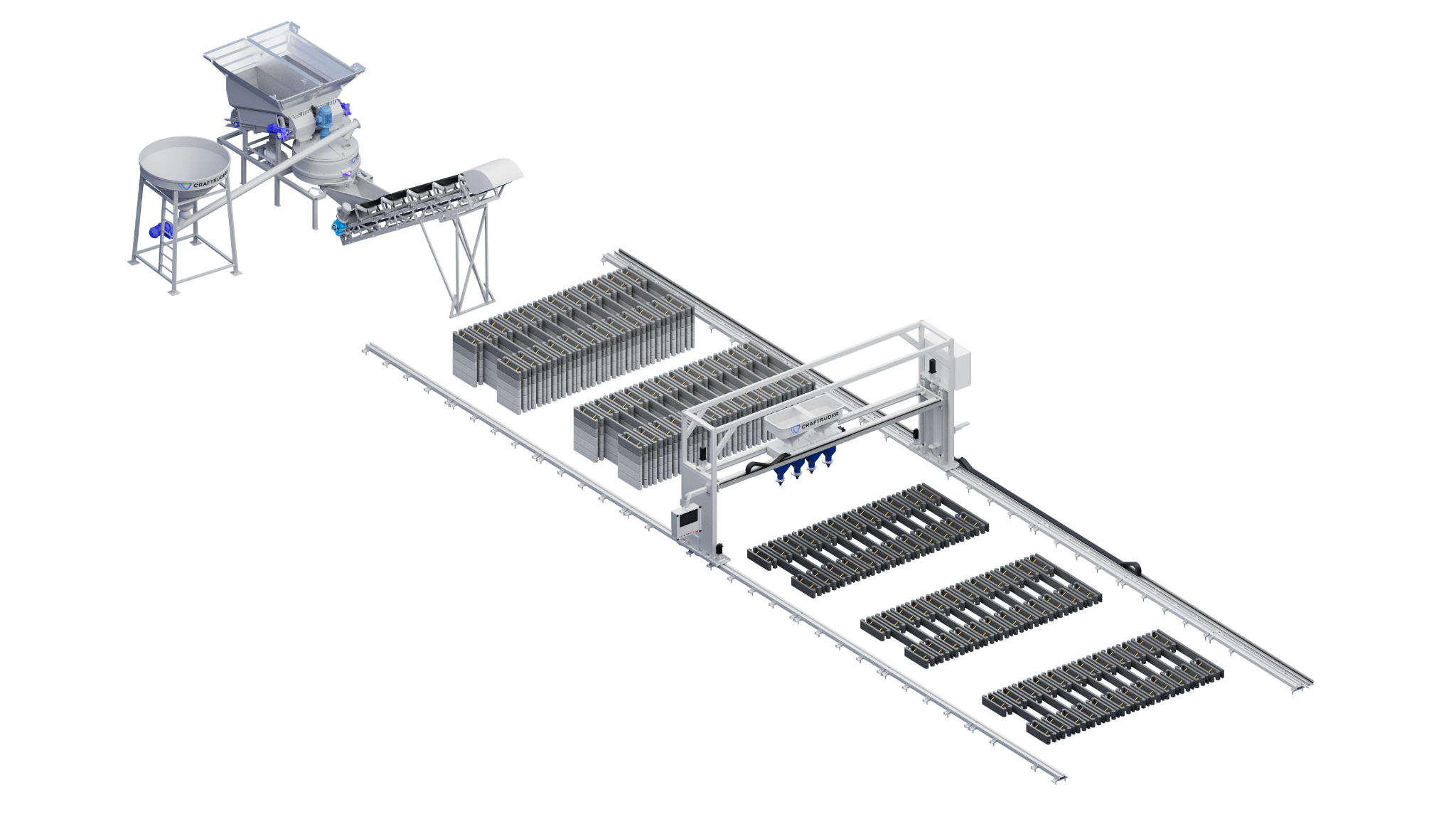
More print heads increase output
Actual output depends on layer parameters, geometry, pauses, non-printing travel, mix design and shift organisation.
05 / FACILITY
Compact production setup
From 300 m²floor area
From 3 mceiling height
From 15 kWelectrical capacity
3–5 peopleper shift
06 / MATERIAL
Locally sourced materials
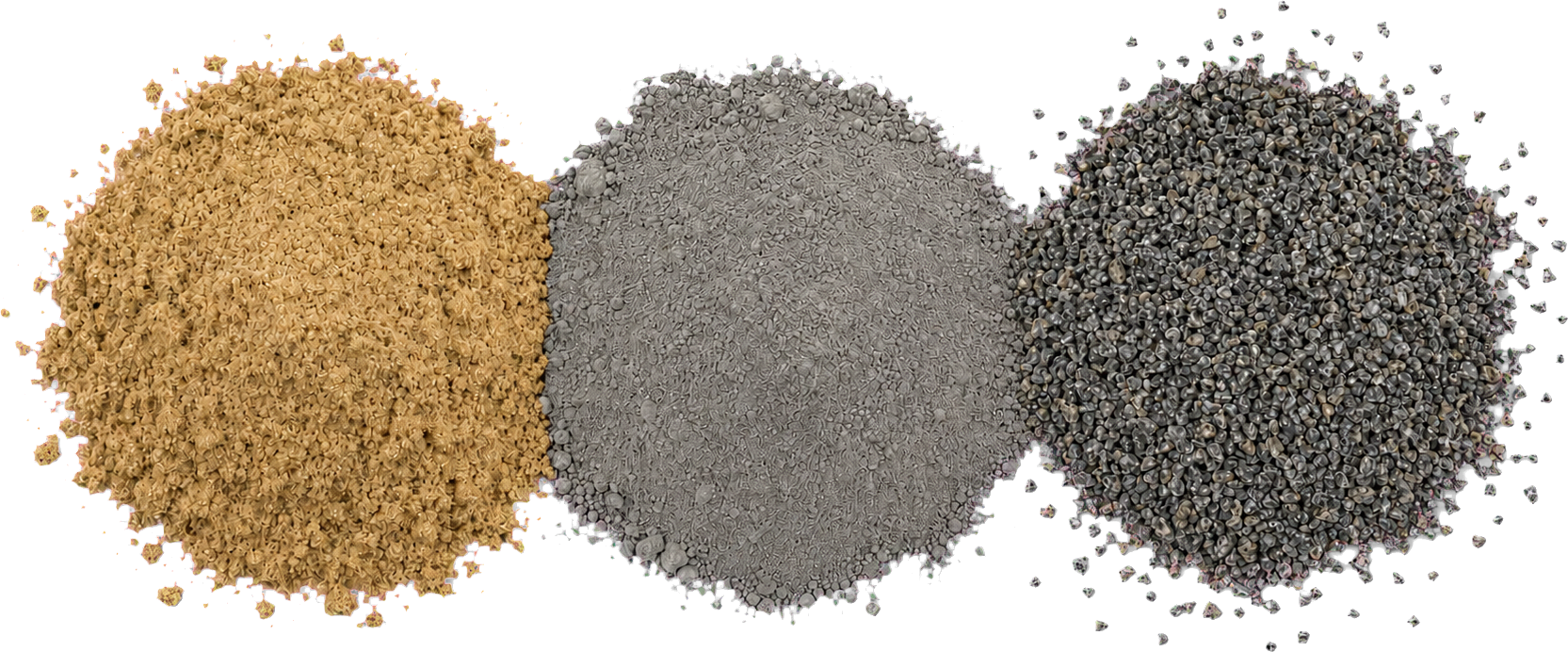
The core printing technology and mix design are adapted to local sand, cement and graded aggregate. The reference formulation below uses 2–8 mm crushed stone.
M250concrete grade
2,270 kg/m³density
F150–F200frost resistance
W6watertightness
 Open PDF ↗
REFERENCE FORMULATION
What goes into printable concrete?
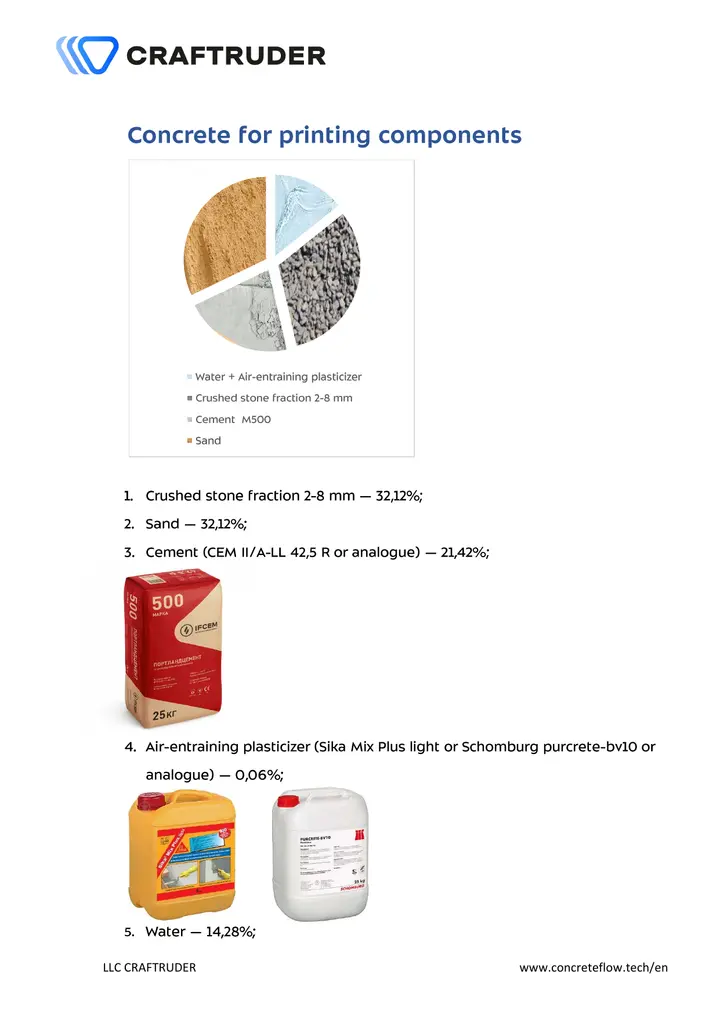
This one-page guide shows a tested starting composition by mass. It uses ordinary mineral components rather than a proprietary dry mix.
32.12% crushed stone, 2–8 mm
32.12% sand
21.42% cement, CEM II/A-LL 42.5 R or equivalent
14.28% water
0.06% air-entraining plasticizer
Reference only: the final recipe, water demand, admixture dosage and aggregate grading must be tested and adapted to local materials, climate, delivery distance and the selected product.
Download concrete mix PDF07 / APPLICATIONS
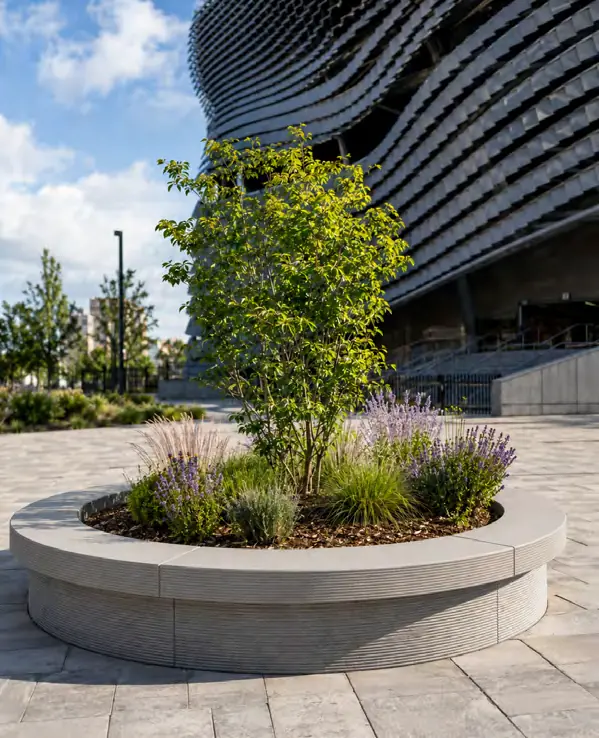
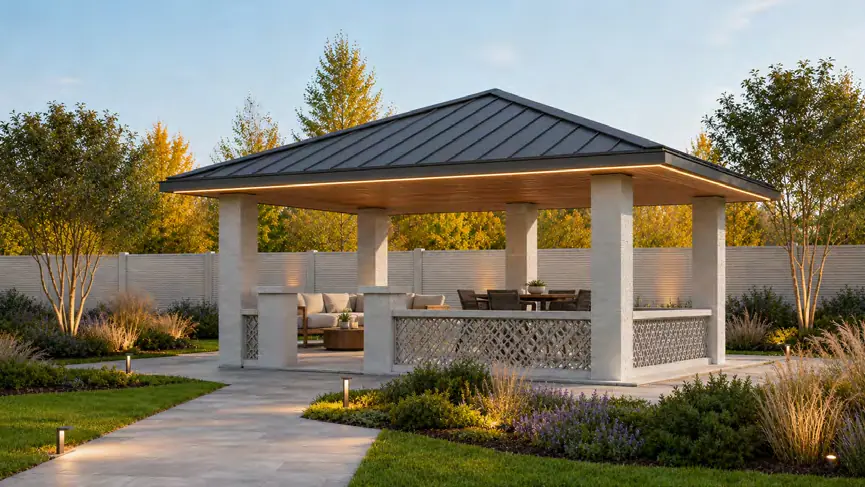
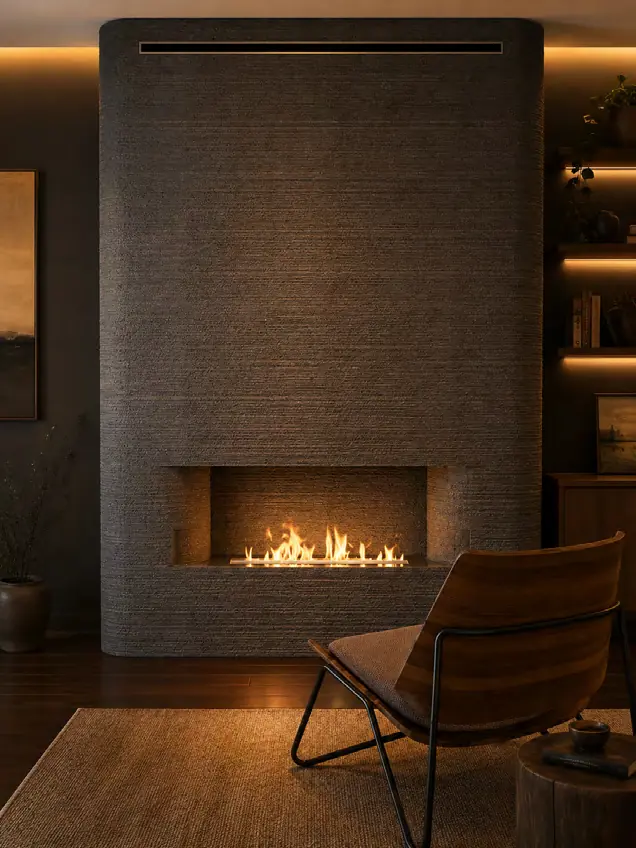
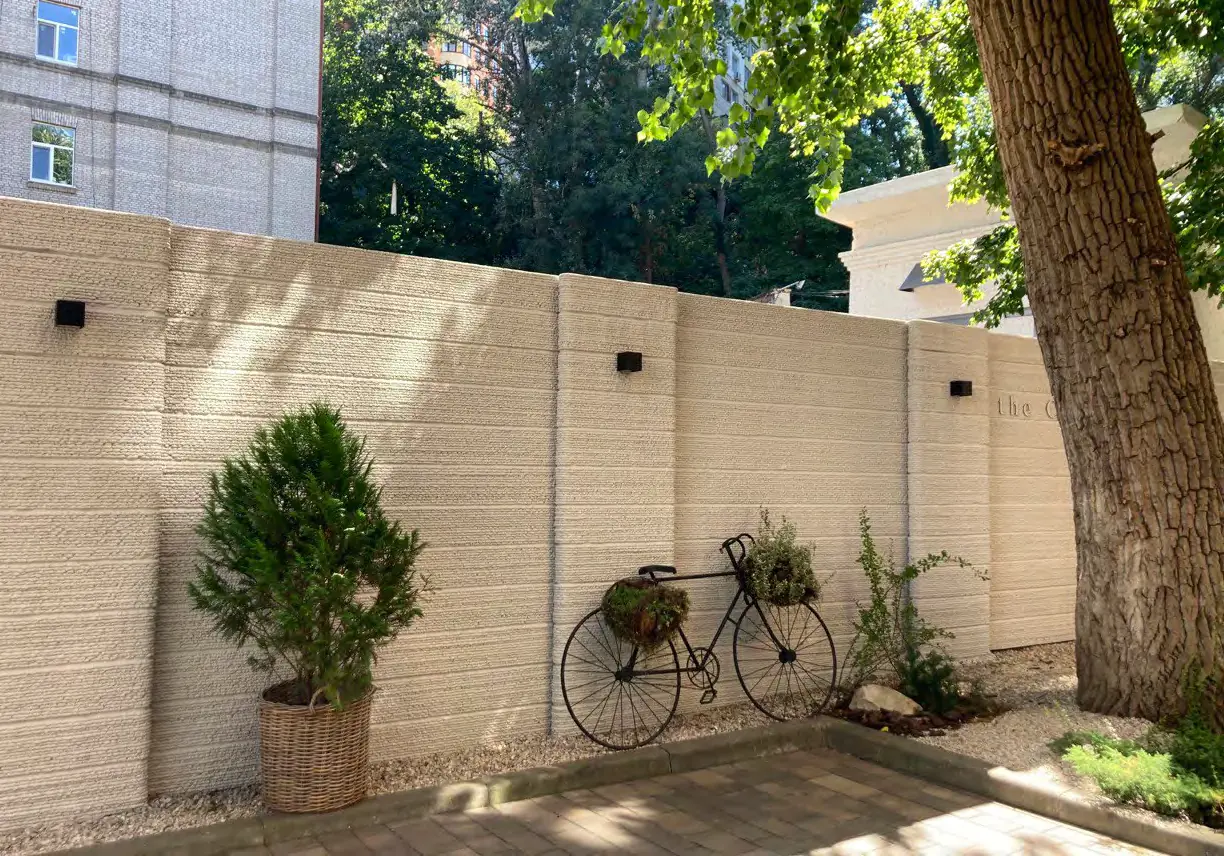
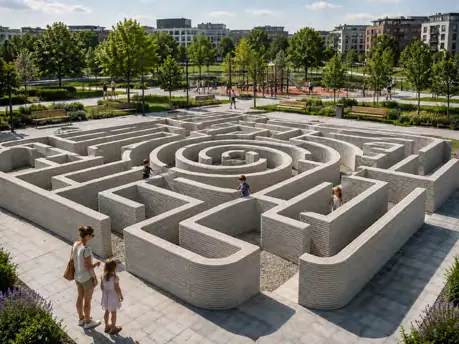
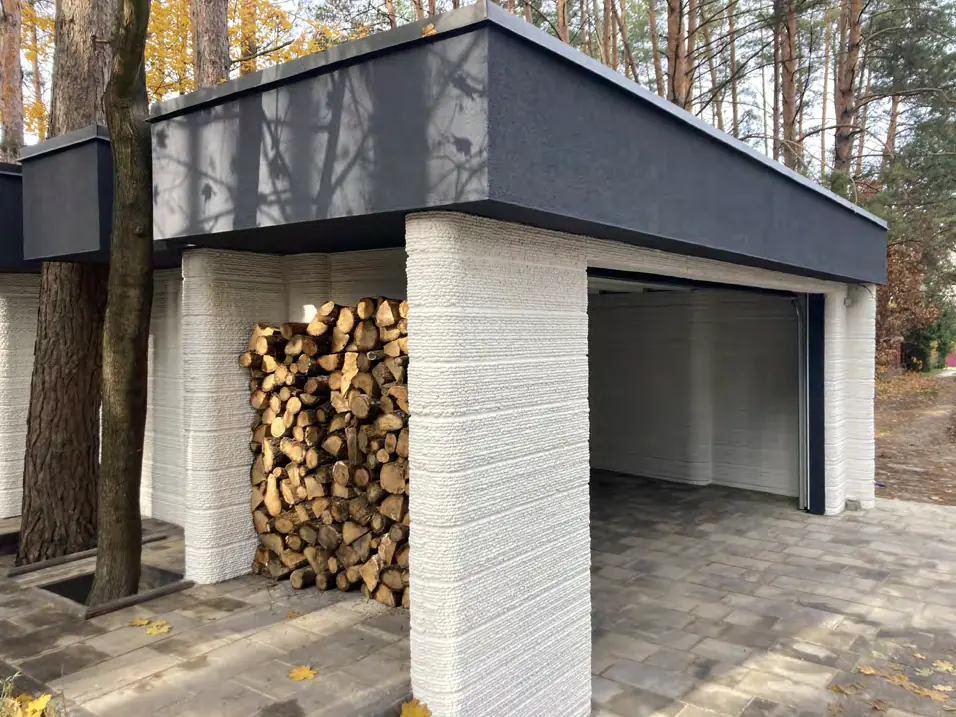
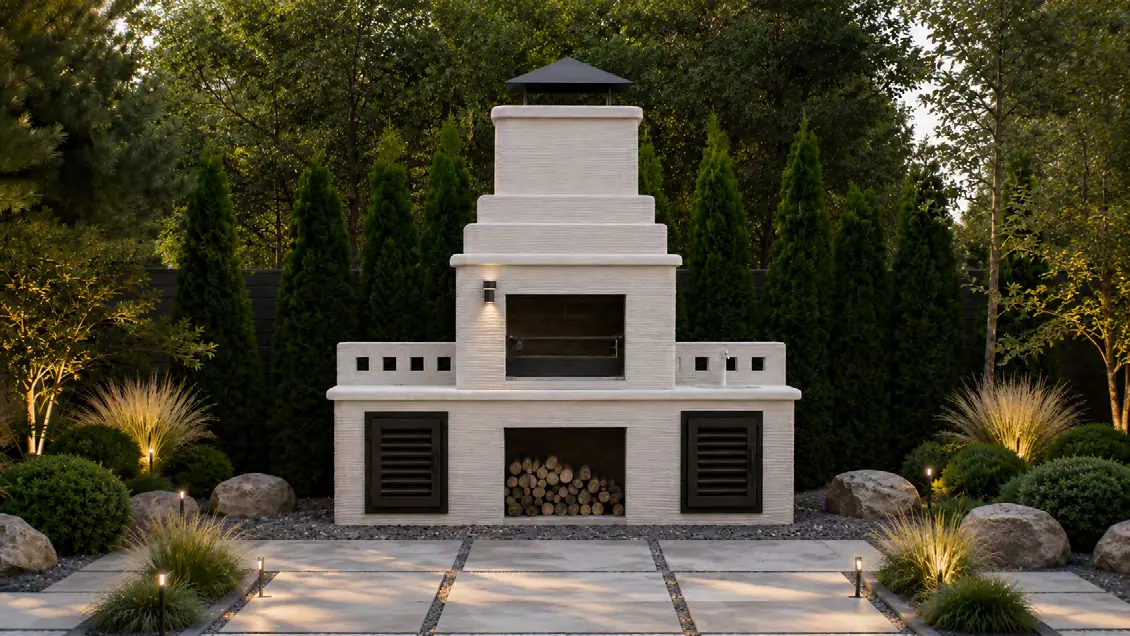
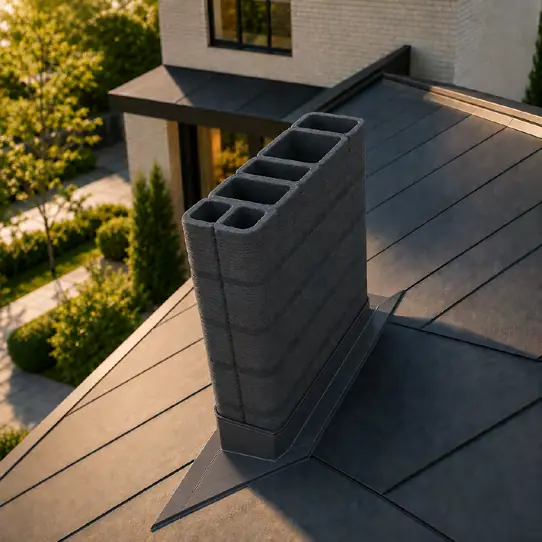
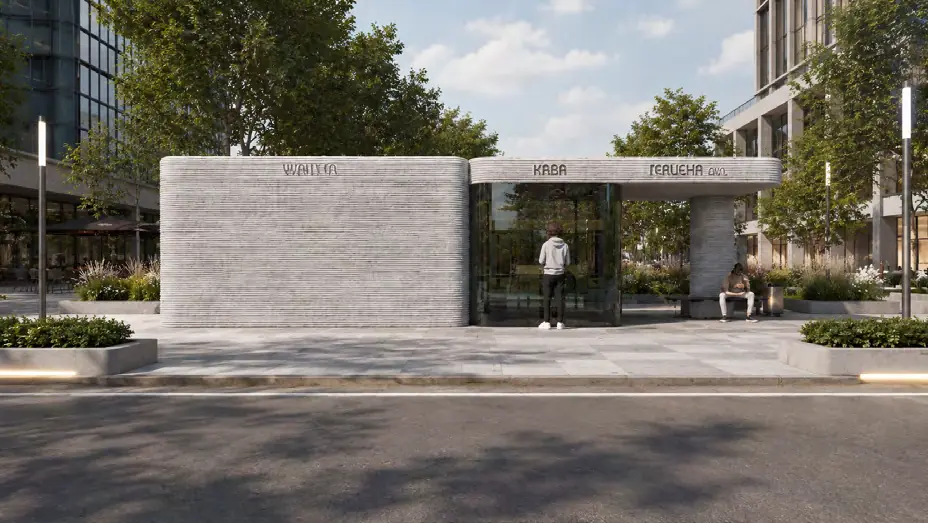
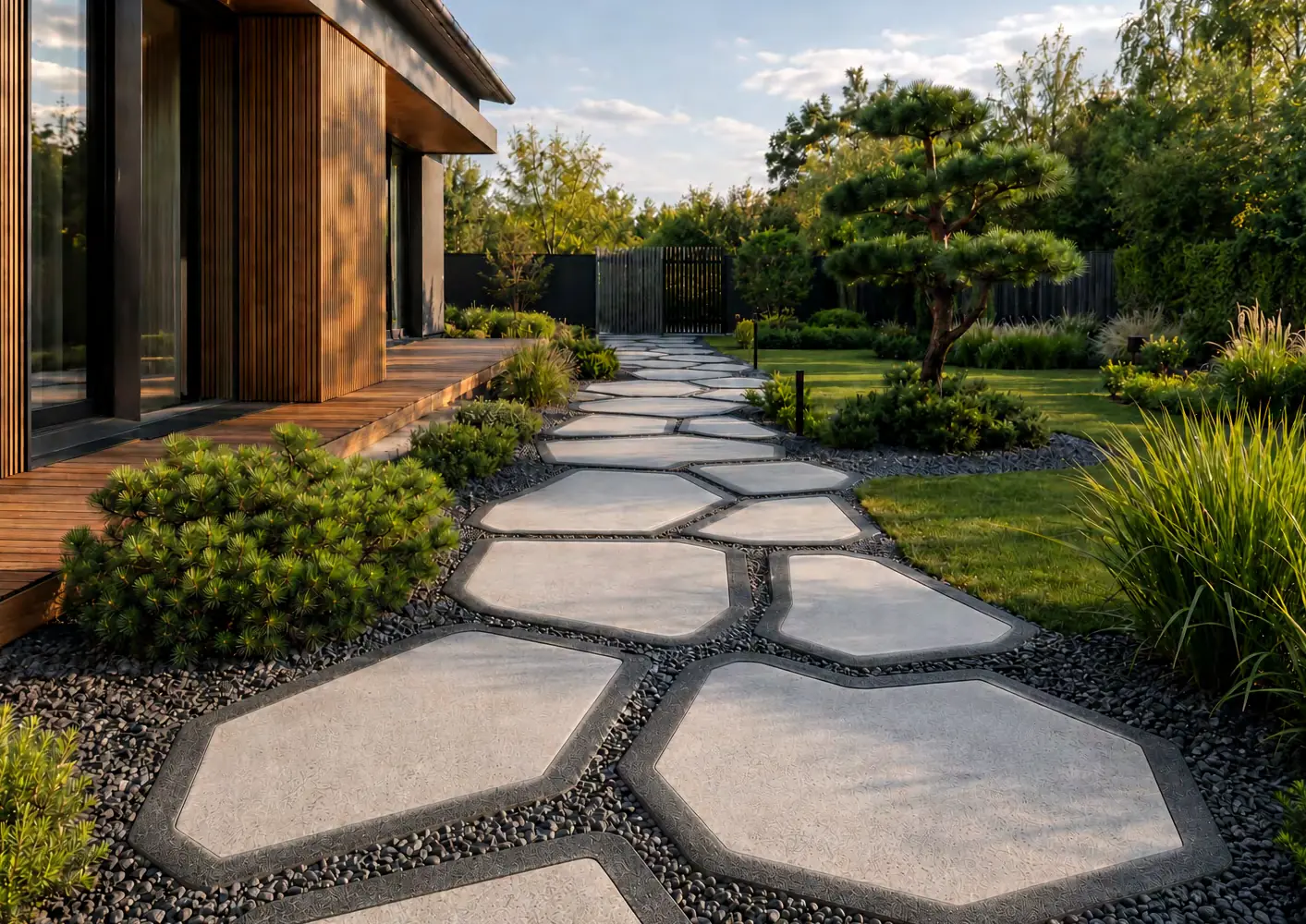
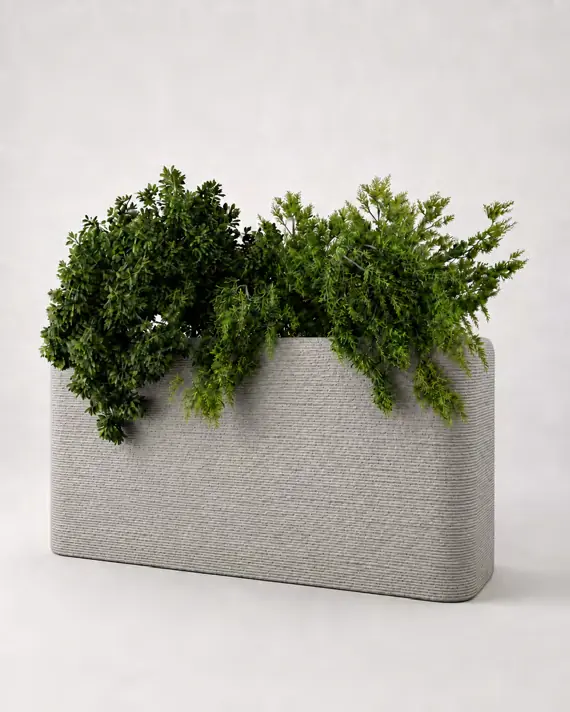
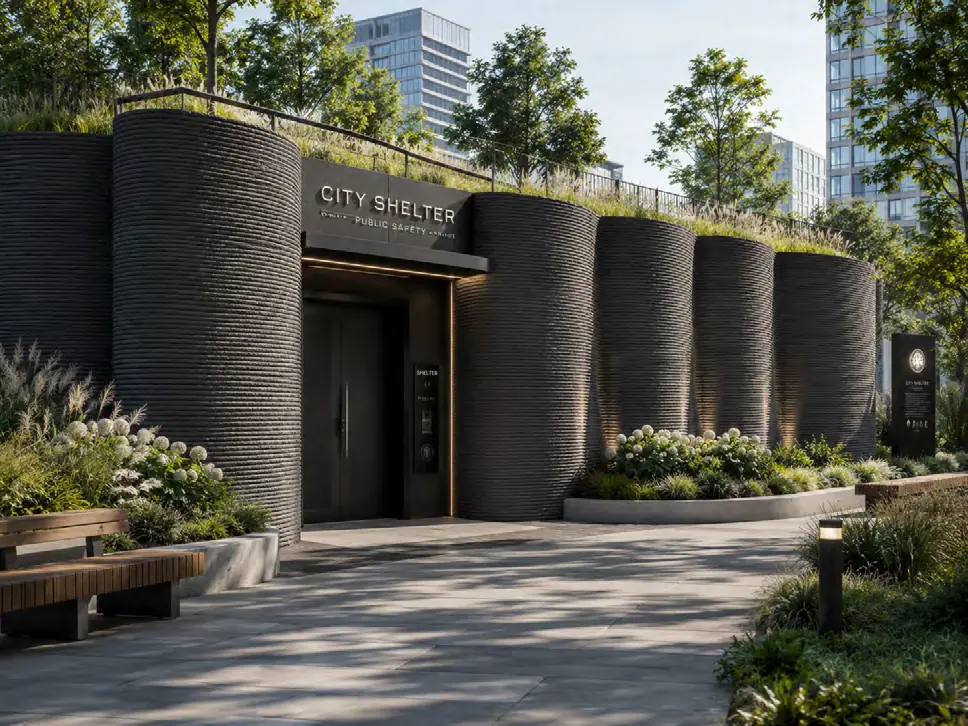
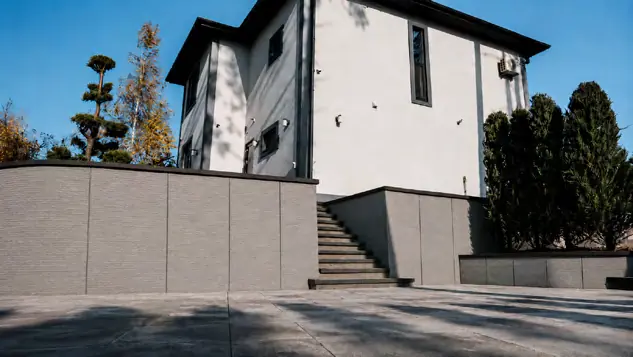
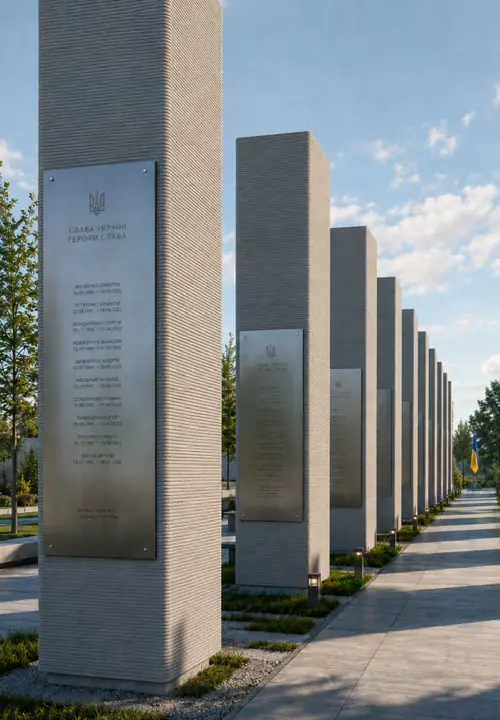
An ecosystem of 3D-printed structures
One production system supports a broad portfolio of construction and architectural products.


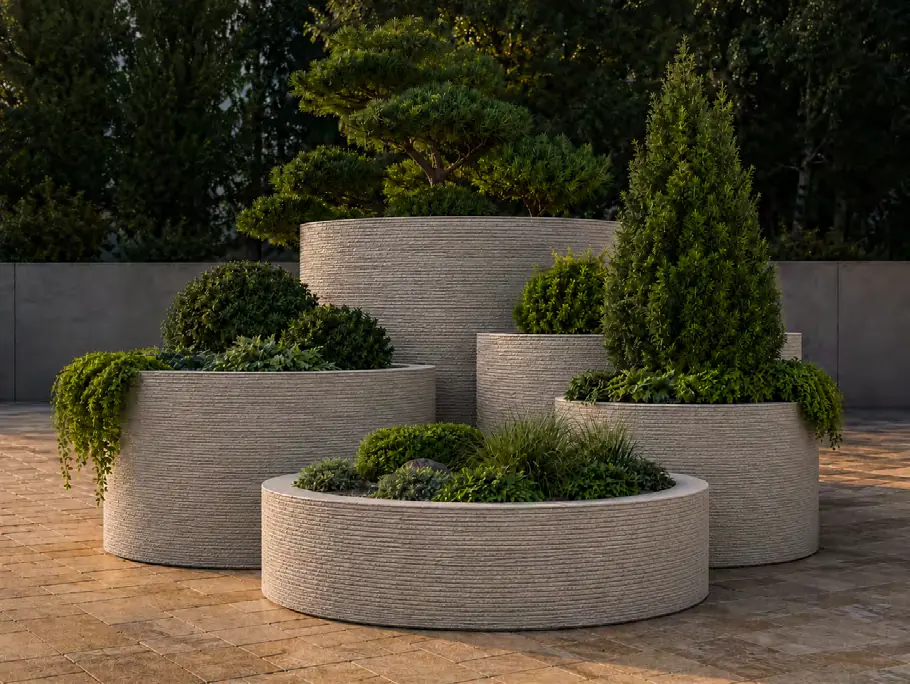
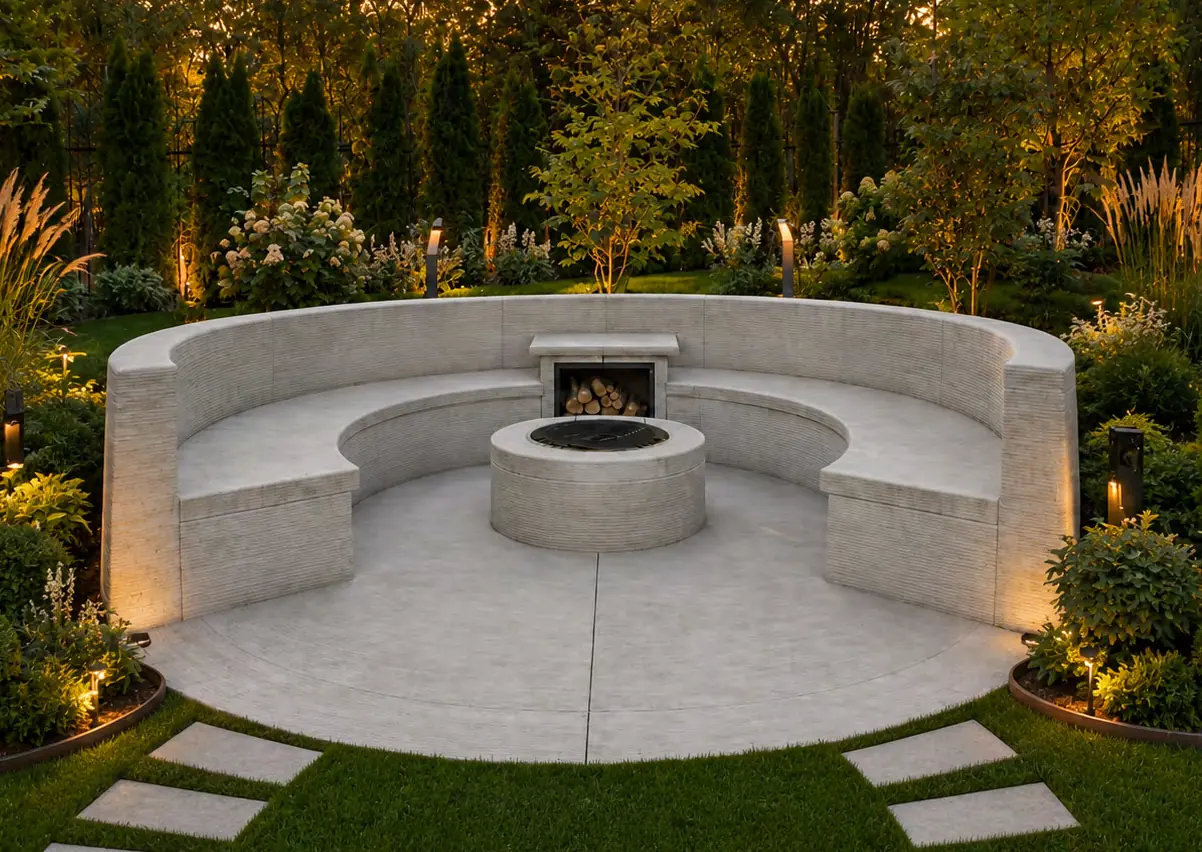
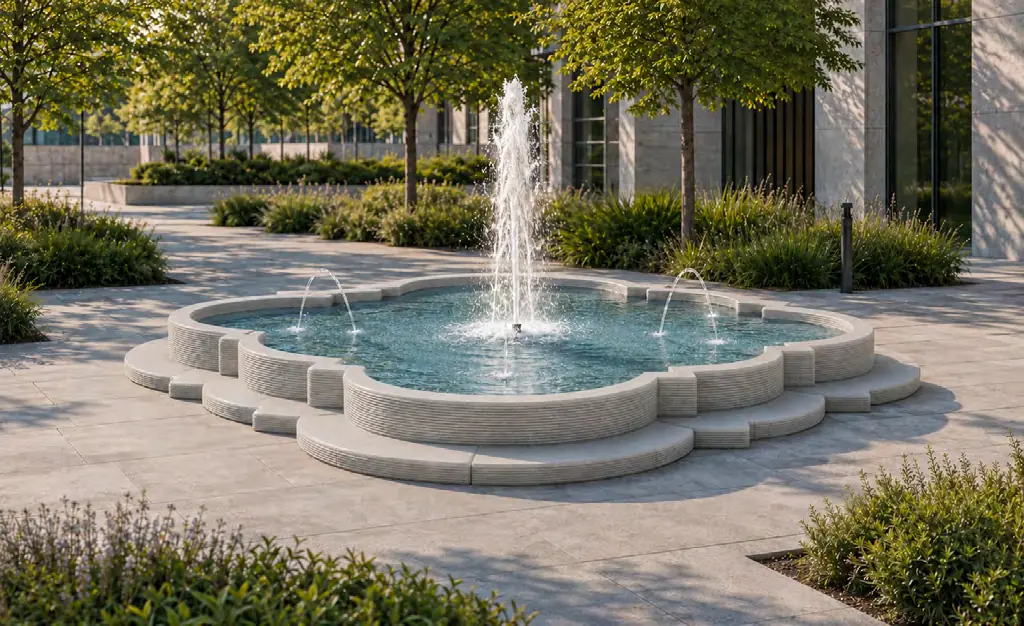
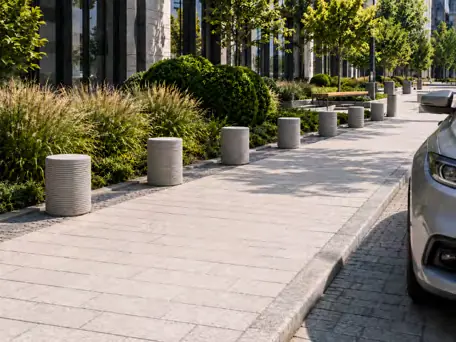
08 / OUR CUSTOMERS
Technology operating in real production
 Visit steko-3d-print.com.ua ↗
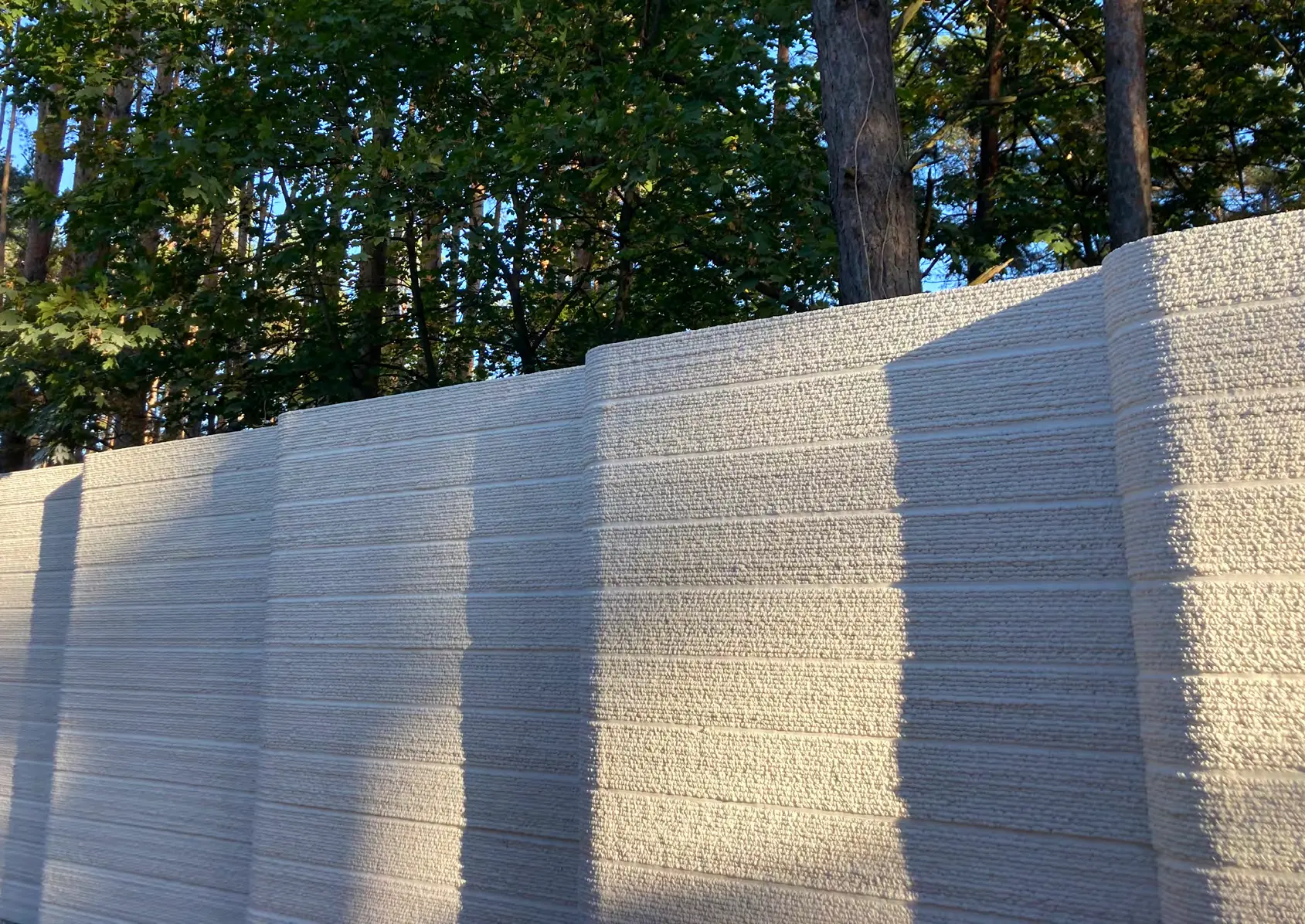
A 13 mm layer height
A distinctive tactile texture
09 / DELIVERY PACKAGE
Equipment supplied with process know-how and training
Included
- Printer in the selected configuration
- Training at the CRAFTRUDER production facility
- Core printing technology and mix design
- Mix adaptation to local materials
- Remote support during start-up
- Training materials and spare parts kit
- 12-month warranty
Options
- CBP and concrete delivery system
- On-site commissioning and installation supervision
- Industrial underfloor heating
- Concrete pump and concrete delivery line
- Steam-curing chamber
- Transport to the customer’s site
10 / DOWNLOADS
Explore CRAFTRUDER solutions
Technical equipment and architectural applications.
 PDF · 21 pages
PDF · 62 pages
PDF · 21 pages
PDF · 62 pages
CATALOGUE 02
Architectural solutions in 3D-printed concrete
Download PDF Explore architectural solutions →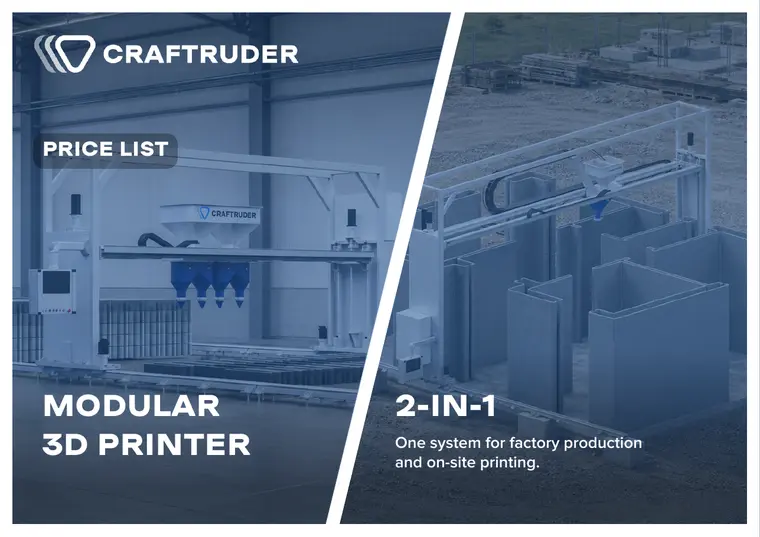 PDF · 8 pages · 2026
11 / CONTACT
Let’s build your digital production line
Tell us about your market, planned products and preferred printer configuration. We will prepare the relevant technical and commercial information.
Regional sales and integration partners →